Anzacs on the Western Front 12 Day
Duration
12 Days
Tour Type
Tours
Group Size
30 persons
Location
Arras
ANZAC Day 16-27 September 2024
Duty Nobly Done Battlefield Tours
"Walk in their footsteps..."
 The “Duty Nobly Done Battlefield Tours: Anzac Day” tour is a unique opportunity to follow closely in the footsteps of the First Australian Imperial Force (AIF) and truly discover where the Anzac legend was forged. You will enjoy 13 days of battlefield touring, including the very moving Anzac Day ‘Dawn Service’ at Villers-Bretonneux.
The Duty Nobly Done Battlefield Tours “Western Front” tour is a tremendous opportunity to follow closely in the footsteps of the First Australian Imperial Force (AIF) and truly discover the battlefields where the Anzac legend was forged.
Join your host, Australian author and battlefield historian Adam Holloway, in journeying through the fields of France and Belgium heavily sown with Australian blood and sacrifice. Adam brings to life the places where a generation of young Aussies earned a reputation for battle prowess that saw them feared and respected on both sides of the line. This tour takes you out into the fields where these men lived, fought and died.
You will visit places synonymous with Australian achievement and sacrifice along the Western Front; Fromelles, Pozieres, Mouquet Farm, Villers-Bretonneux, Le Hamel, Messines and the Ypres Salient. You will also venture further afield to lesser-known, but no less significant Australian battles and actions brought to life in Adam Holloway’s book, Duty Nobly Done, including; Hébuterne, Bray-sur-Somme, Jeancourt, Le Verguier, and ‘Quennemont Farm’ during the final assault on the Hindenburg Line.
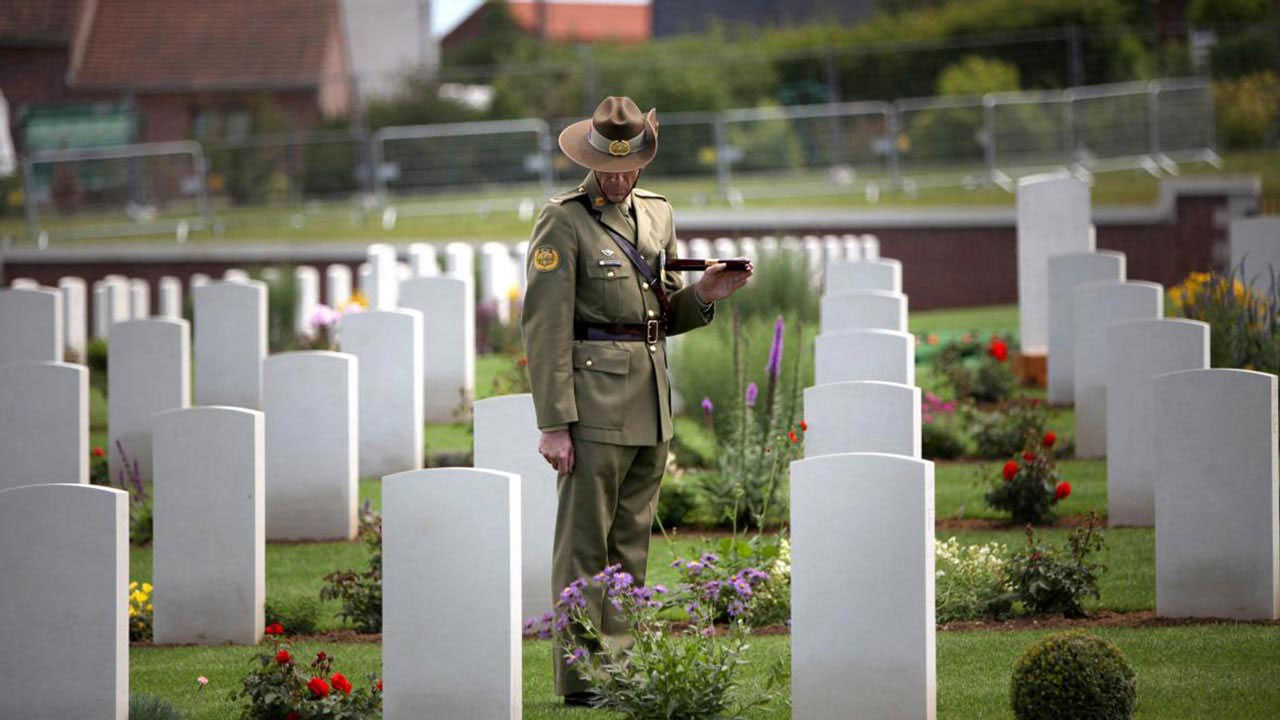
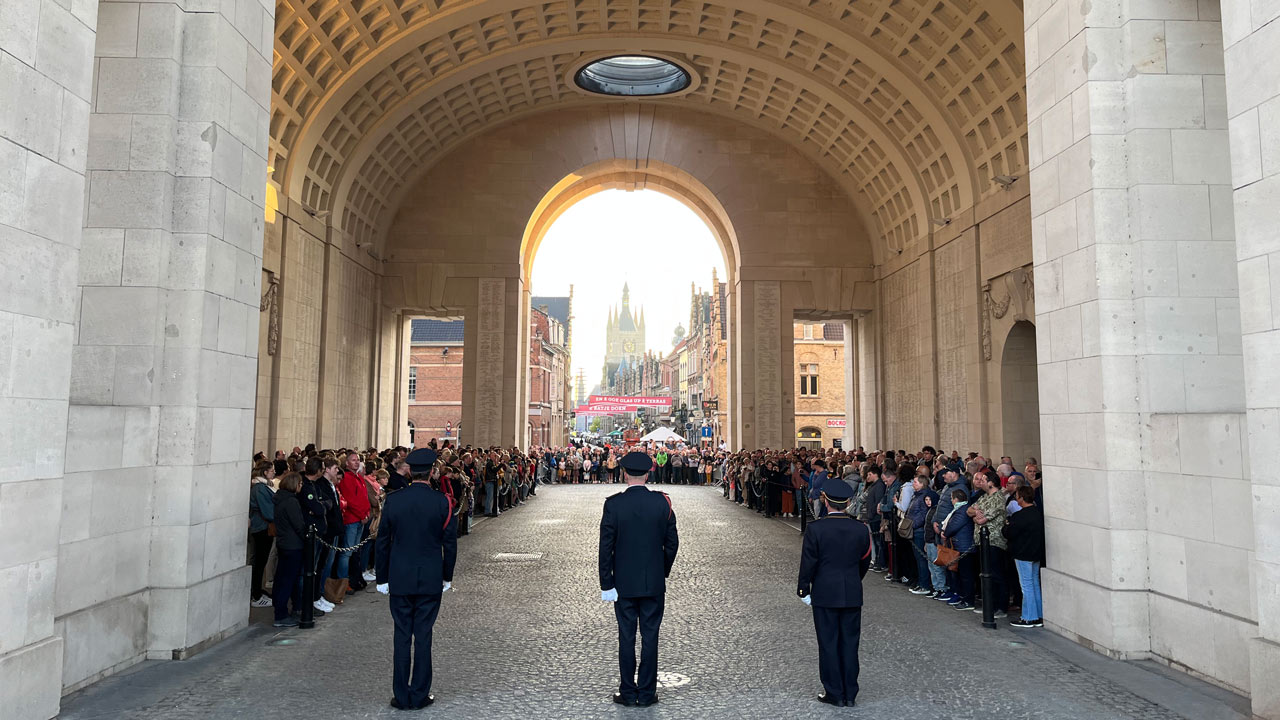
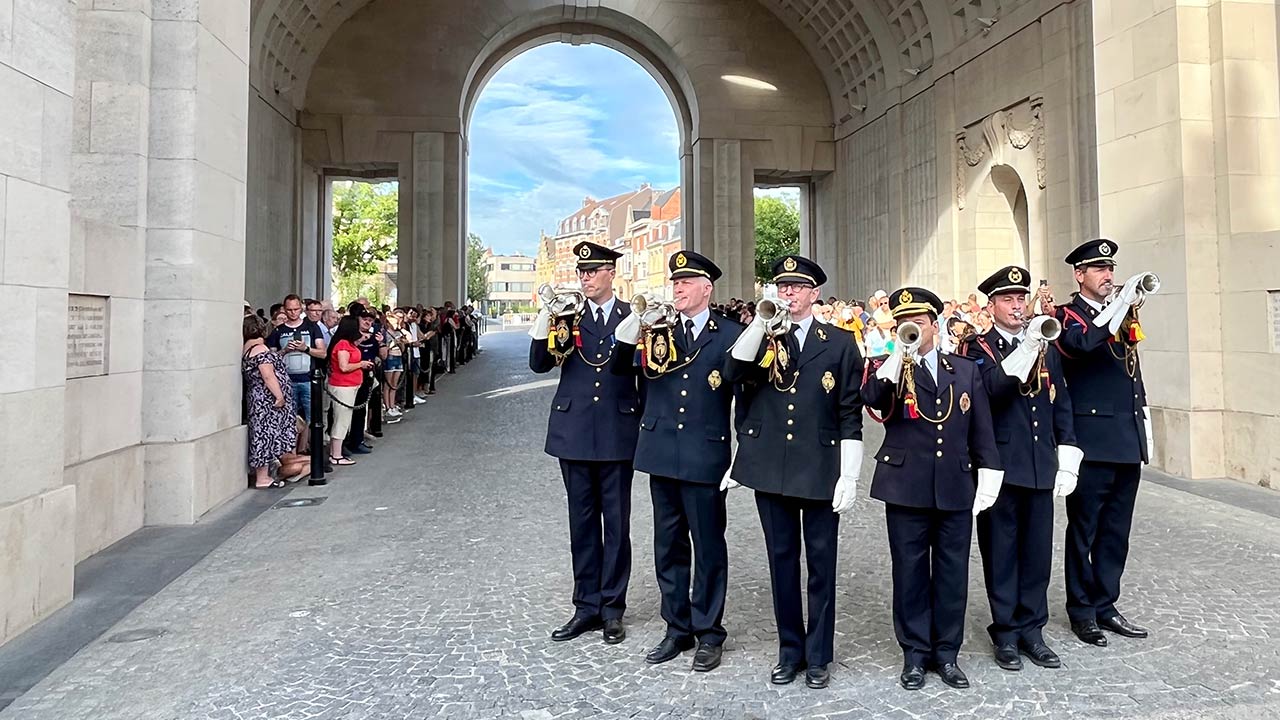
We will have the honour of experiencing the poignant ‘Last Post’ ceremony at the Menin Gate in Ypres, and to stand on the very ground recaptured by the Australians on 25 April 1918 at Villers-Bretonneux. Travel back in time as you walk with the Anzacs and truly experience Duty, Nobly Done. Book now to secure your spot.
Day 1: Welcome
Arrive in Lille during the day, check in to the hotel, have a look around and relax - you have come a long way. Later, join your hosts, Adam Holloway, and Phil Hora (Sacred Ground Tours), and other guests for dinner and a chat as we kick off the tour.
(D)
Day 2: “Don’t Forget Me, Cobber.”
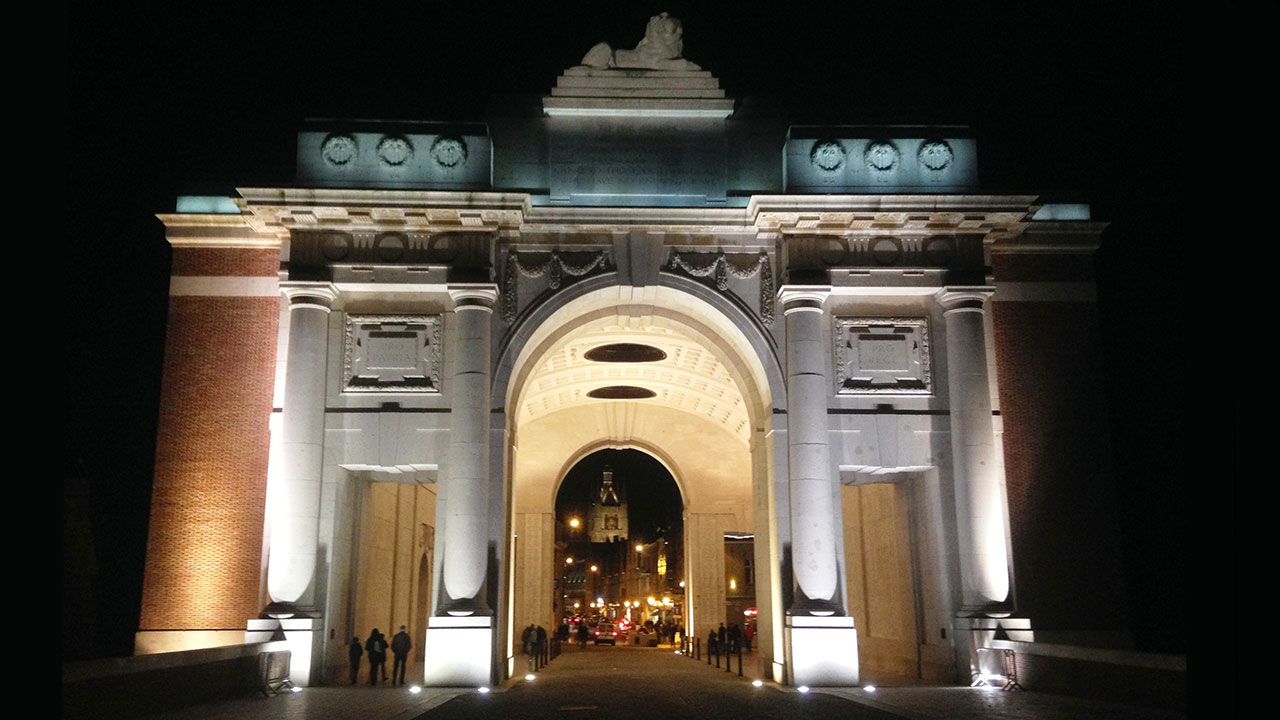
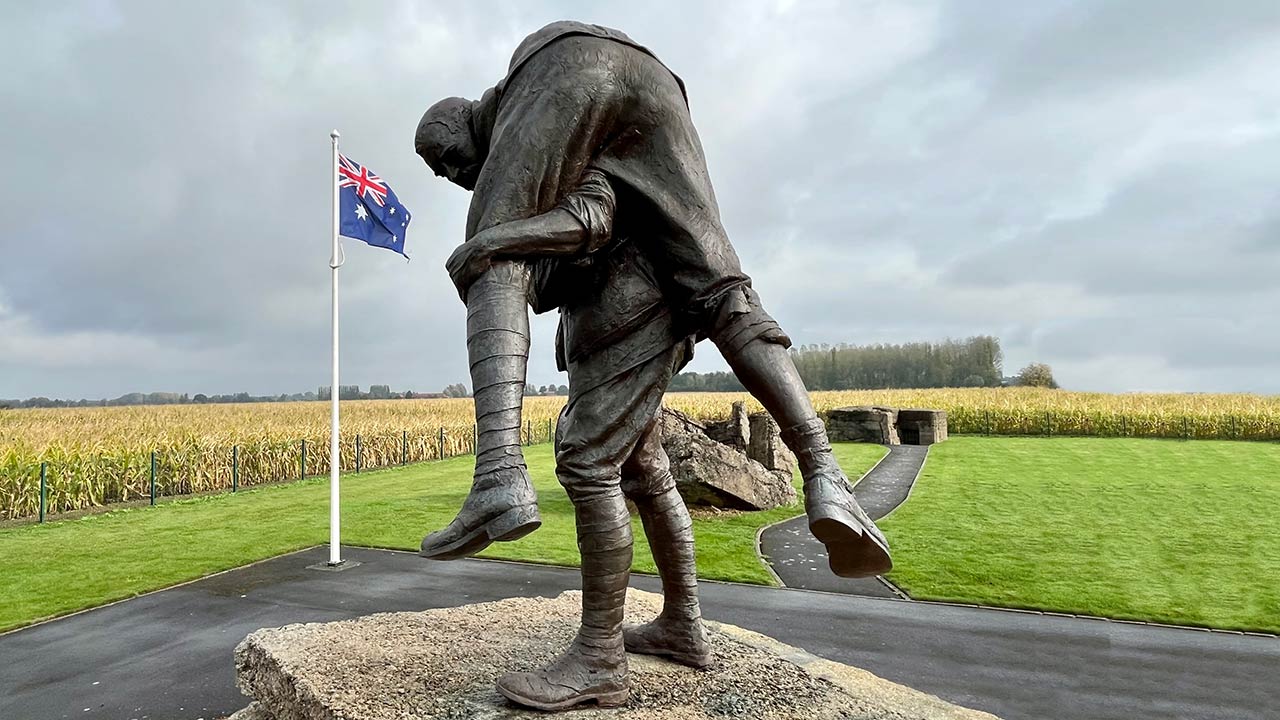
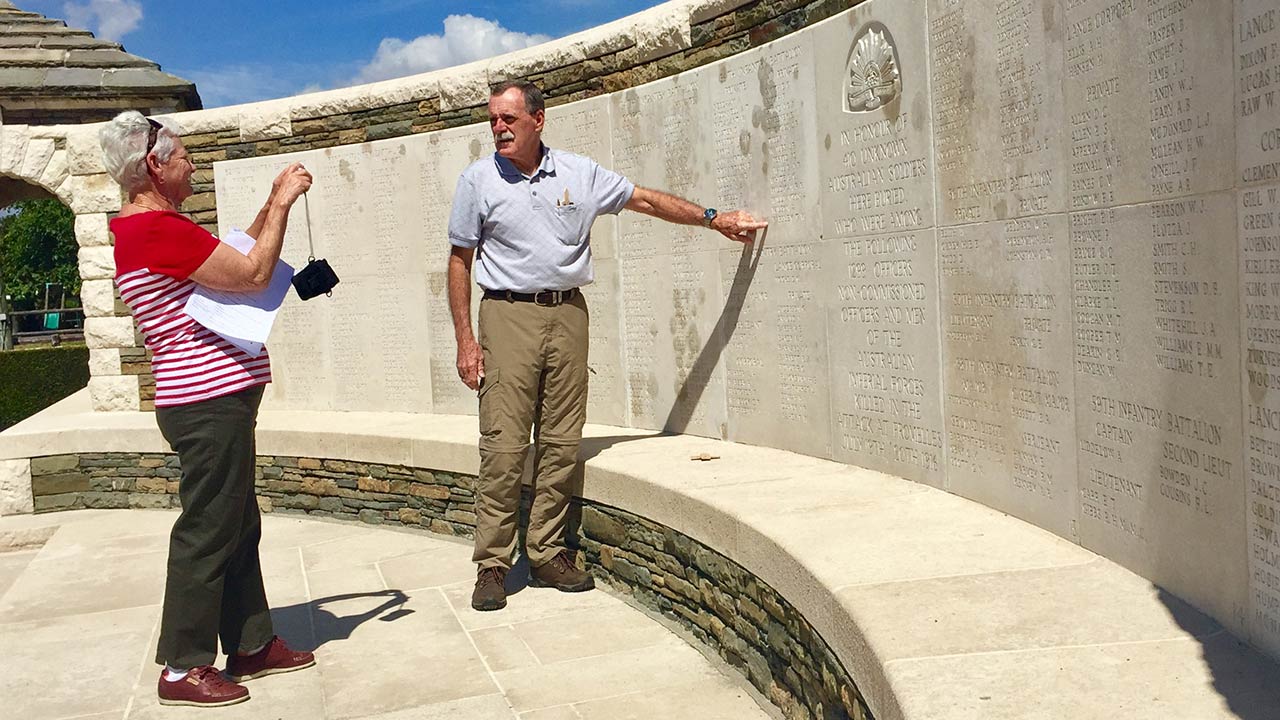
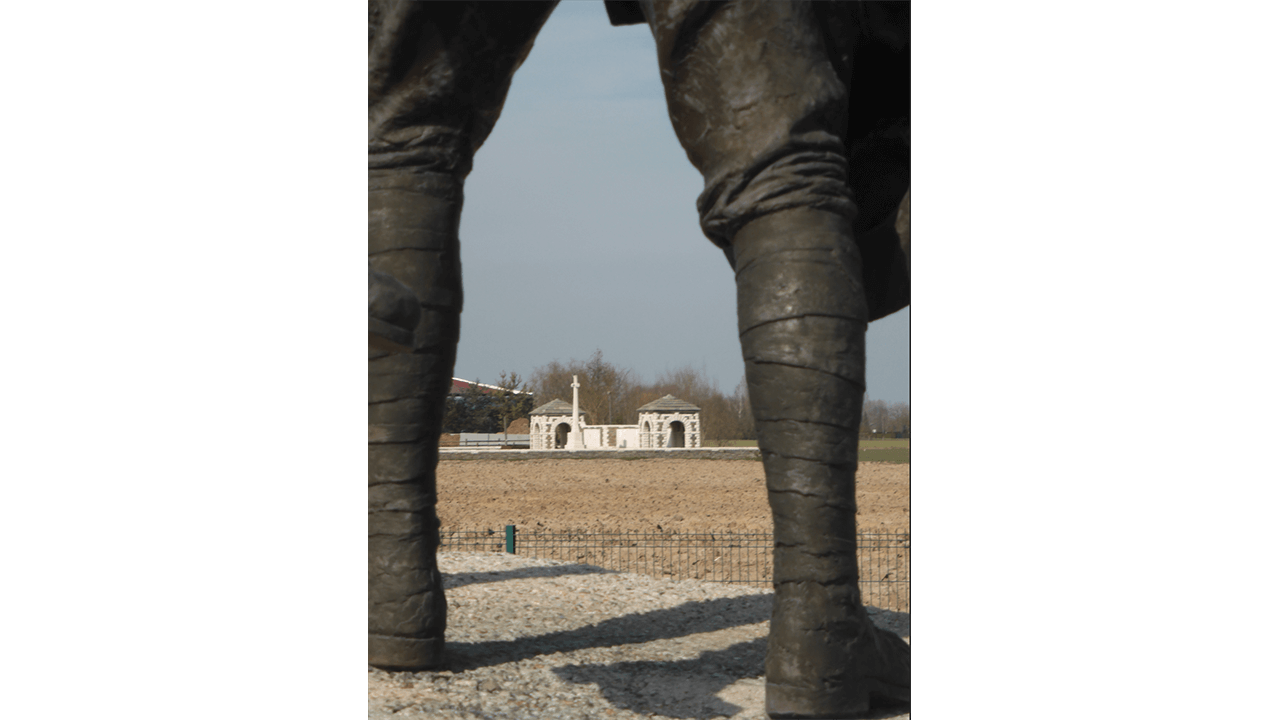
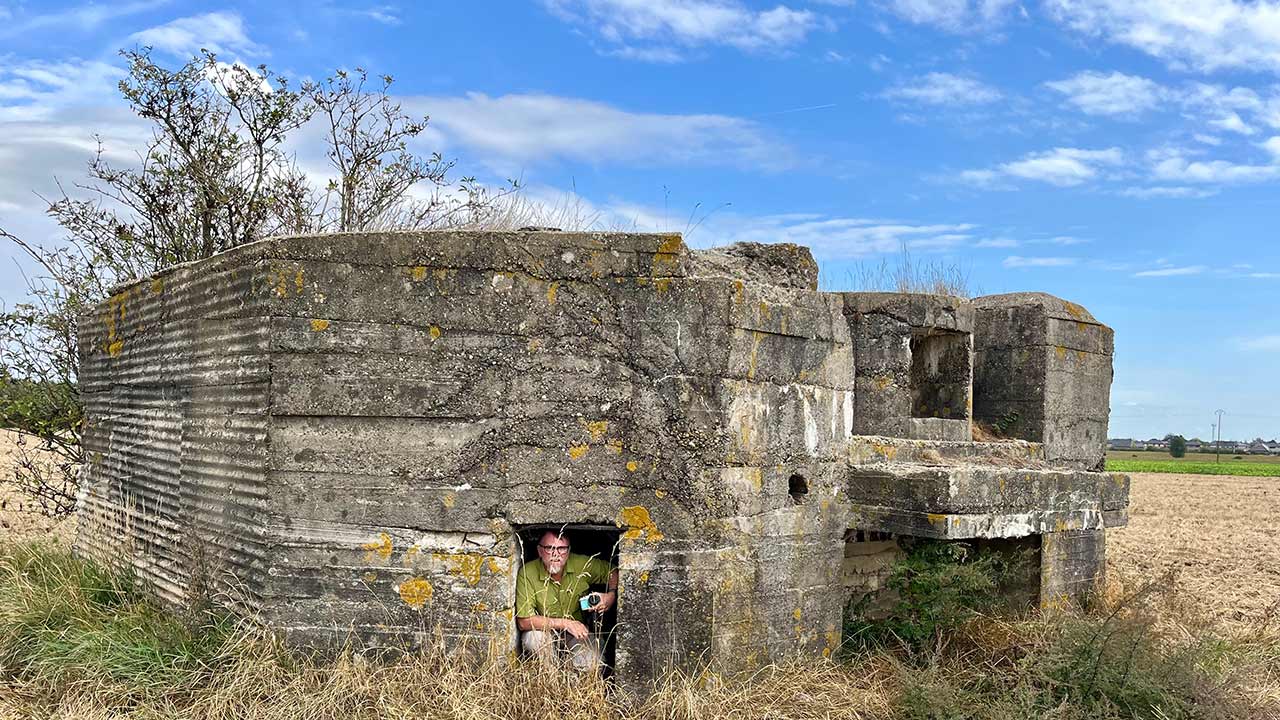
We are straight into the action with a battlefield walk at the site of one of Australia’s darkest days during the Great War: Fromelles. The ‘Cobber’ memorial and the unique ‘VC Corner’ cemetery are poignant reminders of the bravery and sacrifice displayed by the Anzacs in their first major battle on the Western Front. We then head north to walk the ground at Messines in the paths of the 12th and 13th Australian Infantry Brigades in their attack on 7 June 1917. Venturing through Ploegsteert ‘Plug Street’ Wood we visit further sites of significance, including ‘Hill 60’, before arriving in the town of Ypres, where will enjoy a leisurely walk to the Menin Gate. We stay in Ypres for the evening.
(B) (L)
Day 3: Buried in Work
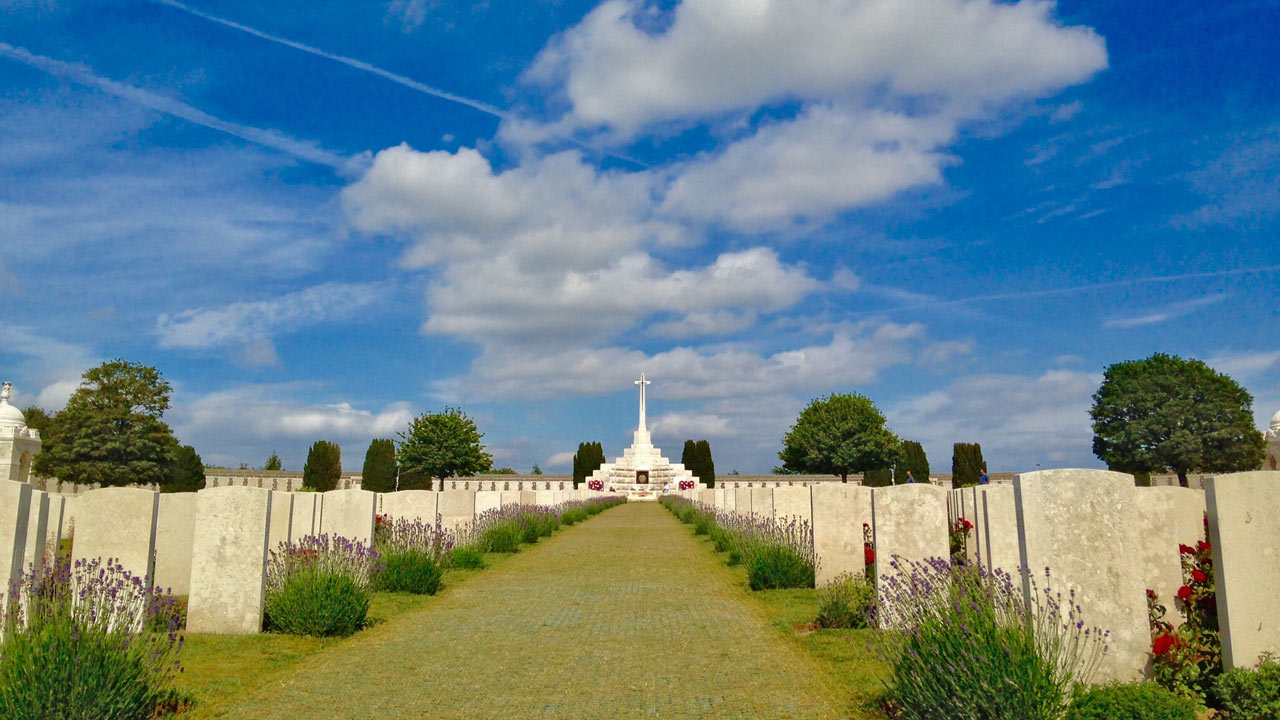
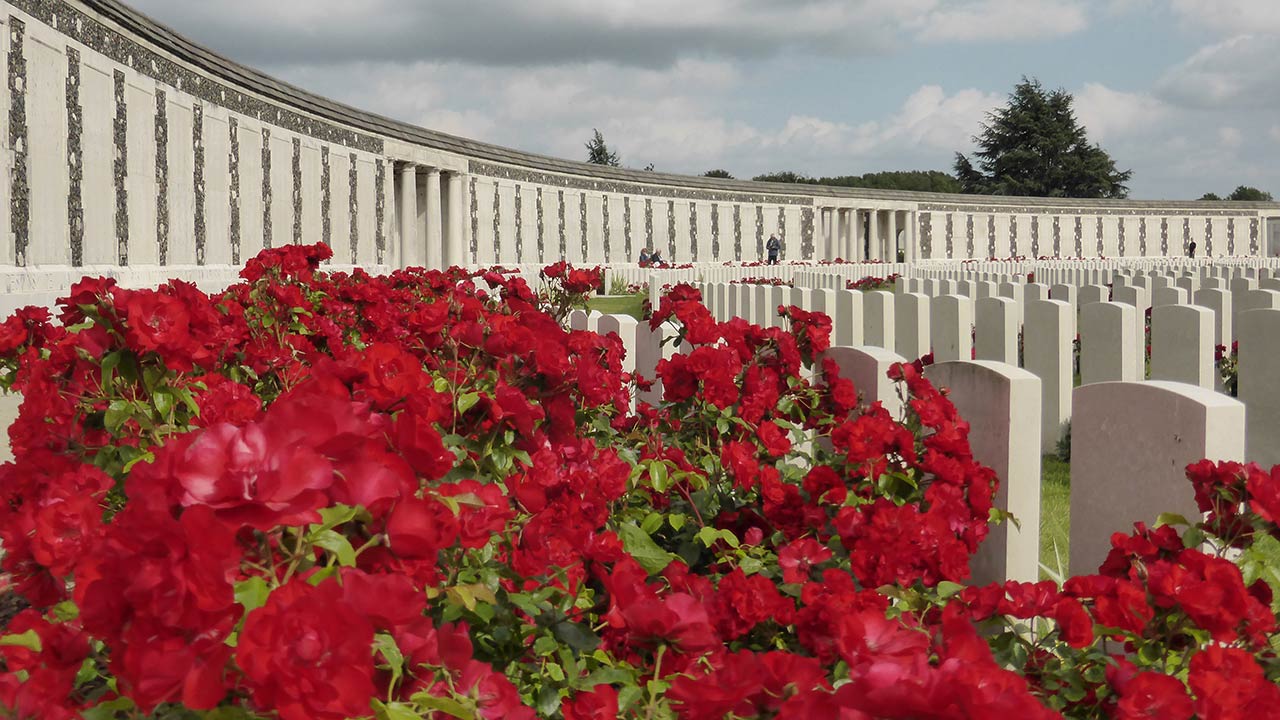
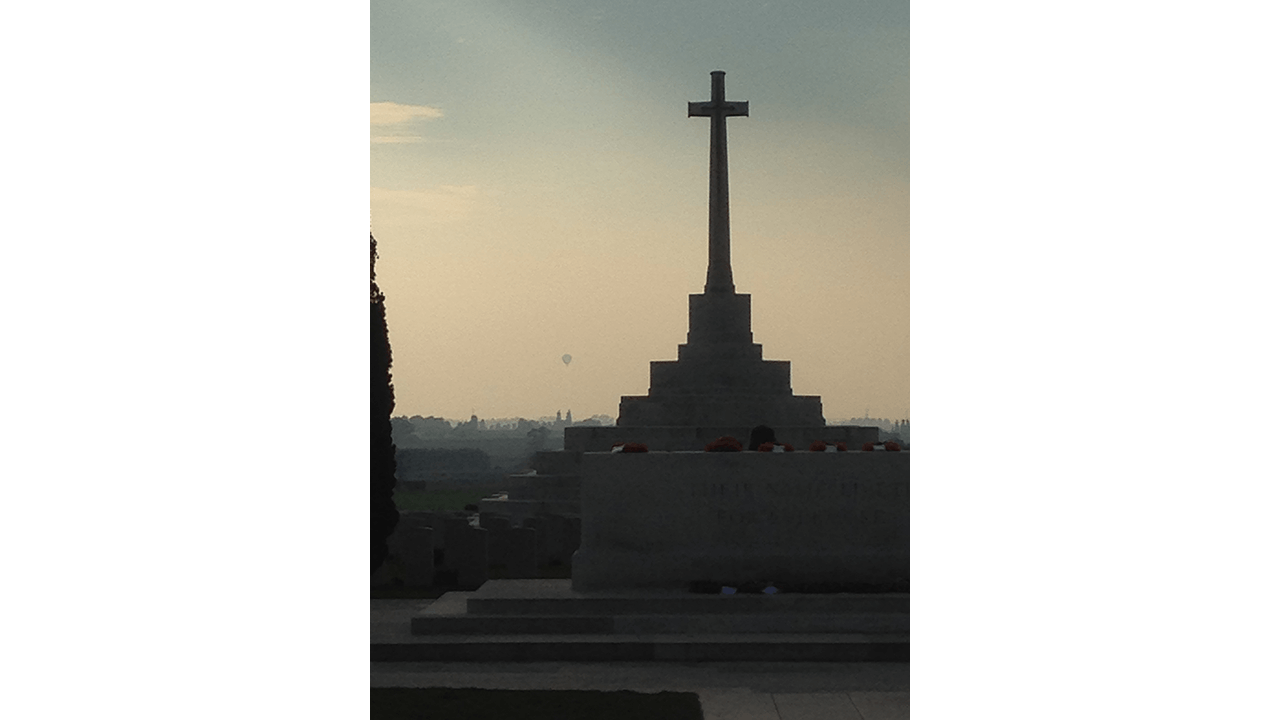
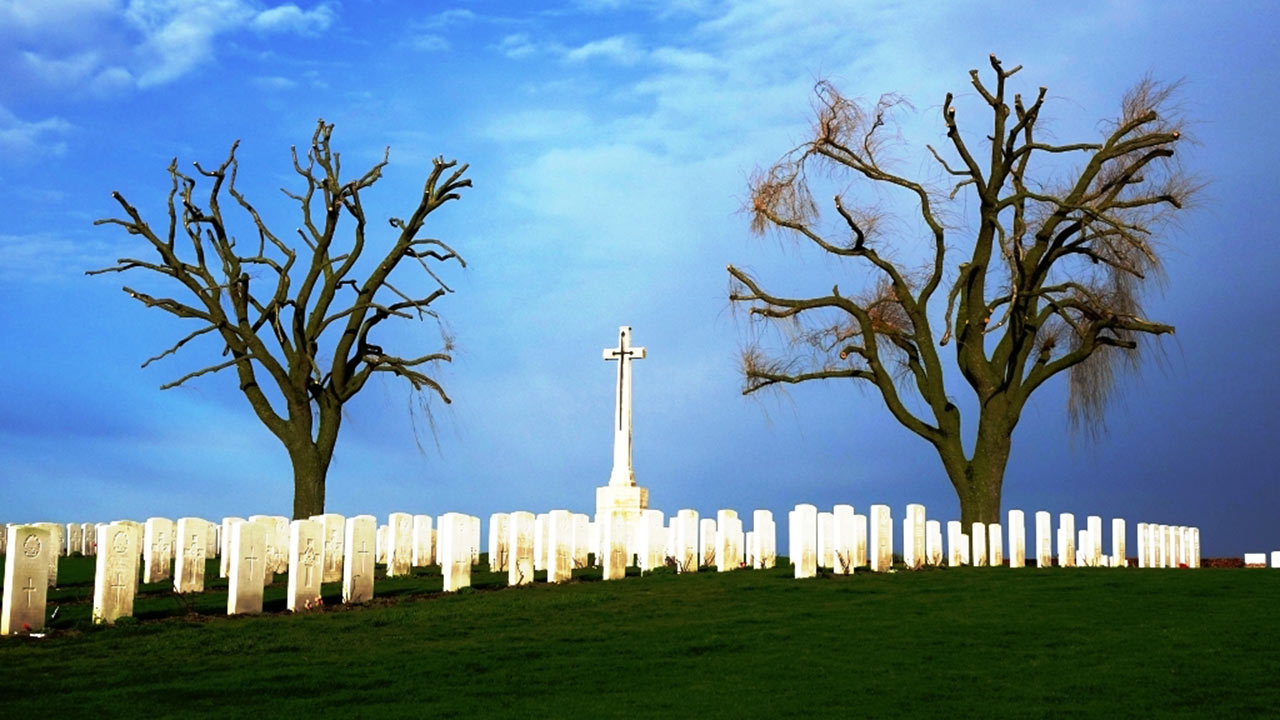
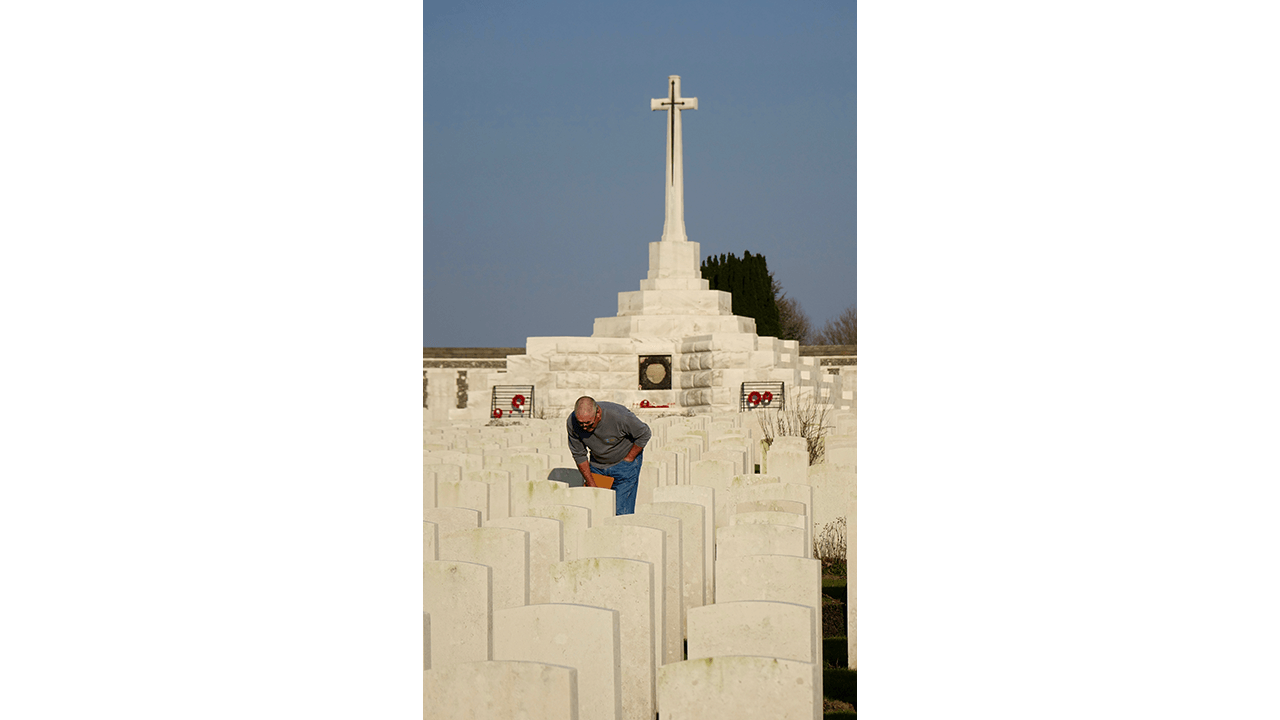
This day finds us on the road to Passchendaele with an amazing battlefield walk through ‘Polygon Wood’ to the 5th Australian Division Memorial, and the Buttes New British Cemetery. A visit to the very well done Passchendaele 1917 Museum is followed by a walk on the attack line of the 11th Australian Infantry Brigade (42nd Battalion) during the ‘Battle of Broodseinde Ridge’. A sobering visit to the magnificent Tyne Cot gives you an indication of the severity of the fighting for the ridges surrounding Ypres during the Third Battle of Ypres in late 1917, and the view they afforded the enemy. After further adventures, we head to the Menin Gate for the ‘Last Post’ ceremony where selected guests will lay a wreath on behalf of the tour. We stay in Ypres for the evening. Best pack your bags as we will be farewelling Ypres tomorrow.
(B) (L)
Day 4: A Big Fritz with Ginger Hair
It is a real treat to start the day with a visit to ‘Talbot House’ in the town of Poperinge, just west of Ypres. The Anzacs were frequent visitors to this oasis behind the lines where they could forget about the war for a while and rest. We then gear up and head down to the relatively unknown (to many Aussies in any case), ‘Lys’ front. In the turbulent days of the German 1918 ‘Spring Offensive’ the enemy threatened the communications centre town of Hazebrouck. It was here that the 1st Australian Division joined their Allies, and played a part in stopping the Germans. The Anzacs remained here until late July; during which time they (focussing on the 9th Australian Infantry Battalion) were involved in numerous actions at Meteren and Merris, including an attack at ‘Gerbedoen Farm’. We will also visit Doullens on our ‘Dash to the Somme’ with the 3rd Australian Division, and pay a visit to Monash’s HQ at the splendid, Chateau de Bertangles. We stay in Amiens for the evening.
(B) (L)
Day 5: Taking the Village
We head back to mid-July 1916 and the town of Albert (Al-bare) on our way to the Somme front. The 1st Australian Division, largely unaware of the catastrophe unfolding at Fromelles, marched through on their way to capture the village of Pozières. We will follow them closely with visits to ‘Lochnagar Crater’, ‘Sausage Gulley’ and beyond Contalmaison to the 9th Australian Battalion attack line. Further visits in the ‘Pozieres Sector’ include the remains of the German blockhouse, ‘Gibraltar’ and a stroll along ‘Dead Man’s Road’. We stay in Amiens for the evening.
(B) (L)
Day 6: Buying the Farm
One Aussie 1918 battlefield that is largely forgotten is at Hébuterne. The 4th Australian Infantry Brigade ensured the Germans went no farther during the March 1918 battles, and we will see where the 15th Battalion AIF did fine work during that period. A visit to the Western Front is not complete without considering the carnage of 1 July 1916 when the ‘Battle of the Somme’ opened with 60,000 casualties. This is particularly evident at the preserved trenches of Beaumont-Hamel commemorating the Newfoundlanders, ‘Ulster Tower’ for the Irish lads, and the imposing, yet somehow not obtrusive, Thiepval ‘Memorial to the Missing’. The afternoon is a return to the Aussie sector with battlefield walks at ‘Mouquet Farm’ and ‘The Windmill’. We stay in Amiens for the evening.
(B) (L)
Day 7: Lost in the Maze
The costly battles of 1916 ensured that the name ‘Somme’ would remain synonymous with death and sheer misery. This was amply demonstrated by the brutal fighting for Delville ‘Devil’s’ Wood where the South African memorial is located. The New Zealanders were in action at Flers and as the weather began to turn, and the Somme offensive ran out of steam, more horrific battles took place in ‘The Maze’. It was here on 5 and 14 November 1916 that the 25th and 26th Battalions floundered in ‘Flers mud’ and suffered accordingly. Mercifully the Battle of the Somme ended a few days later. The winter of 1916/1917 was the worst on record and the New Year brought fresh hell for the Anzacs in the Flers and Gueudecourt sectors. Costly attacks at ‘Stormy Trench’ saw the 15th Battalion denied by poor planning and vicious counter-attacks, only to see the 13th Battalion launch a better-planned and successful attack several days later that saw ‘Mad’ Harry Murray win the Victoria Cross. We then follow up the Germans in late February 1917 as they begin withdrawing to the ‘Hindenburg Line’. We stay in Amiens for the evening.
(B) (L)
Day 8: None Shall Pass
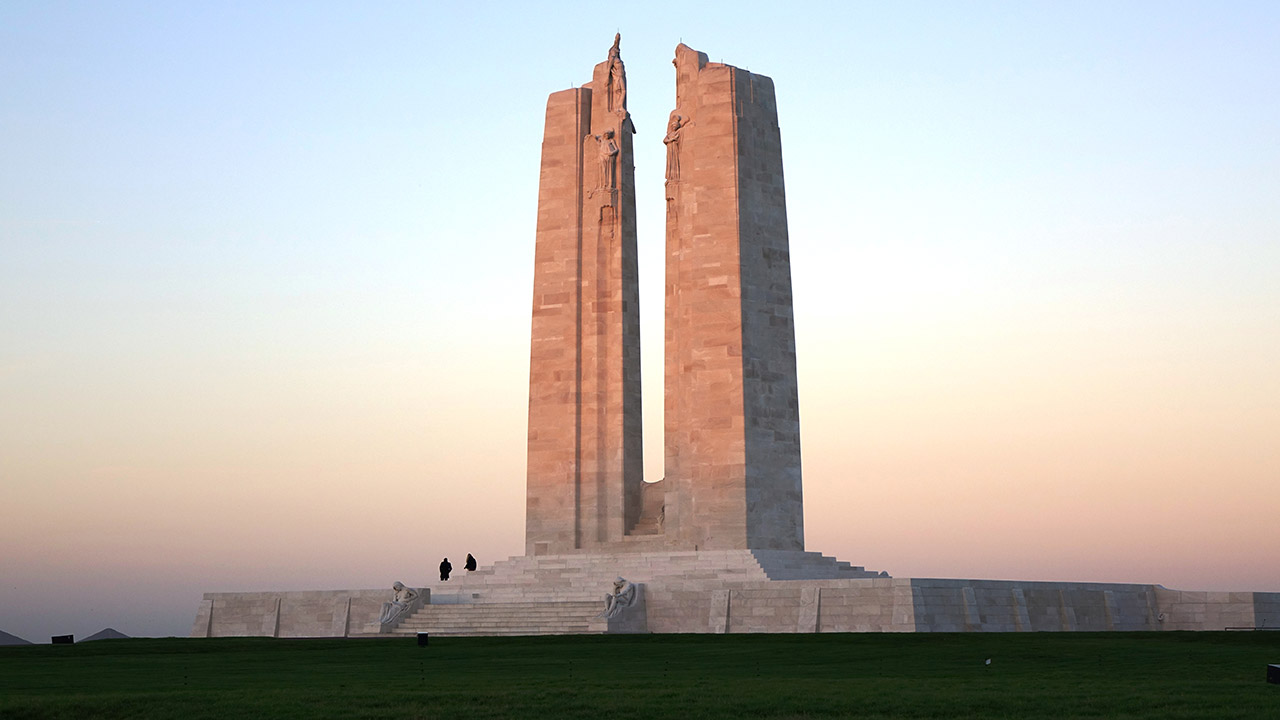
We begin the day heading out to walk the 1918 battlefields that saw the German Spring Offensive halted in April and May 1918, before the Allies began to go on the offensive from July. Dernancourt was the scene of some particularly horrendous fighting that saw the 47th Battalion stretched to breaking point. On Good Friday 1918, the 11th Brigade halted the Germans above Sailly-le-Sec with devastating fire that shattered the enemy waves and prevented an advance on Amiens. The 3rd Australian Division Memorial overlooks this battlefield nestled between the Rivers Ancre and the Somme. We then return to the Australian National Memorial and the Sir John Monash Centre (SJMC) at a more civilised time, and also explore the 25 April 1918 ‘Recapture of Villers-Bretonneux’. We then walk the attack line of the 42nd Battalion as they assault Le Hamel in the famous 4 July 1918 attack orchestrated by General Monash. We stay in Arras for the evening.
(B) (L)
Day 9: A Delay on the Hindenburg Line
As the Germans fall back, we continue our follow up of the Australian attacks on the Hindenburg Line in March through to May 1917, with our first visit of the day being the town of Bapaume. From here the Australians began their attacks to capture the ‘out-post’ villages on the road to the battles of Bullecourt. We will walk the ground at Bullecourt and explore the two battles fought by the Anzacs and British in April and May respectively, the latter being successful, albeit costly. A visit to the Jean Letaille Museum in Bullecourt is a must before we head up to the fighting around Arras and our Canadian pals at Vimy Ridge. We stay in Arras for the evening.
(B) (L)
Day 10: A Black Day for the German Army
8 August 1918 saw the beginning of the end of the Great War as the Allies launched a massively successful offensive that breached the German line for distances never before seen. The Anzacs captured all their objectives along the southern bank of the Somme and we will follow the 41st and 42nd Battalions as they carry the attack in. From there the Aussies are in constant action as they battle along the Somme, flanking and overcoming the Germans in the numerous woods and spurs astride the meandering River Somme. ‘St Germain Wood’, and ‘Ceylon Wood’ above Bray-sur-Somme saw the 42nd Battalion in successful, but costly daylight actions. The 2nd Australian Division successfully captured Mont St Quentin, where their unique memorial stands, and the courageous Anzacs stormed the fortress city of Peronne. We stay in Arras for the evening.
(B) (L)
Day 11: Fortune Favours the Brave
With the fall of Peronne, the fighting would now head east of the Somme to areas little-known by many Aussies. The 49th Battalion took part in fighting around Vendelles, while the 4th Australian Brigade captured the ‘out-post’ village of Le Verguier on the way to ‘Grand Priel Farm’. It was during this attack that the 15th Battalion overcame stubborn resistance to capture all their objectives. The 4th Australian Division Memorial is at the extent of these great victories, near the ‘Grand Canal’. We walk the ground in the footsteps of the 41st Battalion and the Americans as they attack the line at ‘Quennemont Farm’ during the last Australian battles to capture the Hindenburg Line. We pay our respects to our gallant Yank friends at the American Cemetery at Bony. We stay in Arras for the evening. Unless you’re staying longer, best pack your bags as we will be farewelling Arras tomorrow.
(B) (L) (D)
Day 12: Farewell
We begin the day with a leisurely breakfast and a chat as we prepare to head our separate ways (albeit a little tearfully). We hope you will have thoroughly enjoyed the tour and are returning home with many wonderful memories. Until next time...
(B)
(B) Breakfast included.
(L) Lunch included.
(D) Dinner included.
ADD-ONS
We can assist with TGV transfer arrangements to Lille, and from Arras.
You can download the brochure by clicking this link.
Included
Expert WWI - Western Front, English speaking guide.
A comfortable, air-conditioned vehicle.
Pick-up / drop-off at Arras Train Station or at your Arras accommodation.
Itinerary
1
Depart from Arras
1
Depart from Arras
Depart from Arras around 9.00 am.
2
Mass Grave
2
Mass Grave
View the former Mass Grave site, Fromelles.
3
Military Cemetery
3
Military Cemetery
Visit to the Fromelles (Pheasant Wood) Military Cemetery.
4
Australian Memorial Park
4
Australian Memorial Park
Visit to the Australian Memorial Park and Cobber’s Statue, Fromelles.
5
Australian VC Corner Cemetery
5
Australian VC Corner Cemetery
Visit to the all Australian VC Corner Cemetery.
6
The Official 1914 Christmas Truce site
6
The Official 1914 Christmas Truce site
Visit the Official 1914 Christmas Truce site, Belgium.
7
Hill 60
7
Hill 60
Visit to Hill 60.
8
Polygon Wood and the Australian 5th Division Memorial
8
Polygon Wood and the Australian 5th Division Memorial
Visit to Polygon Wood and the Australian 5th Division Memorial.
9
Passchendaele Museum
9
Passchendaele Museum
Visit to the Passchendaele Museum.
10
The Tyne Cot Commonwealth War Cemetery
10
The Tyne Cot Commonwealth War Cemetery
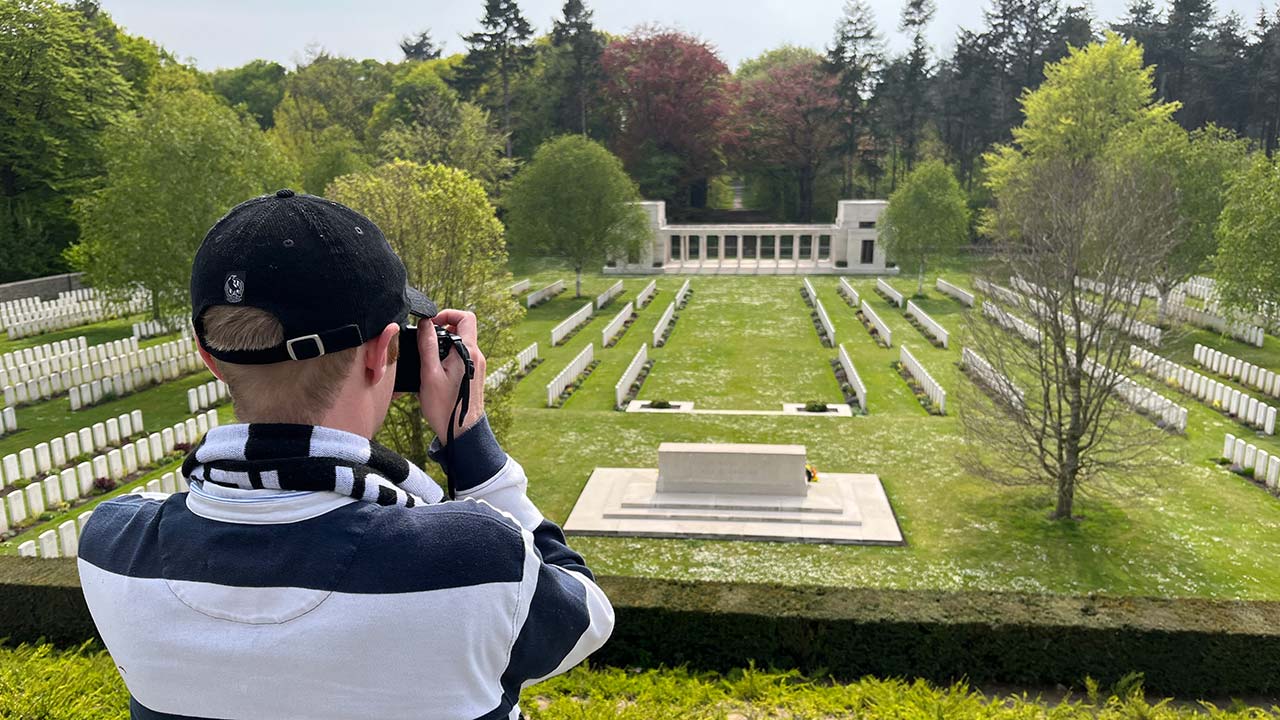
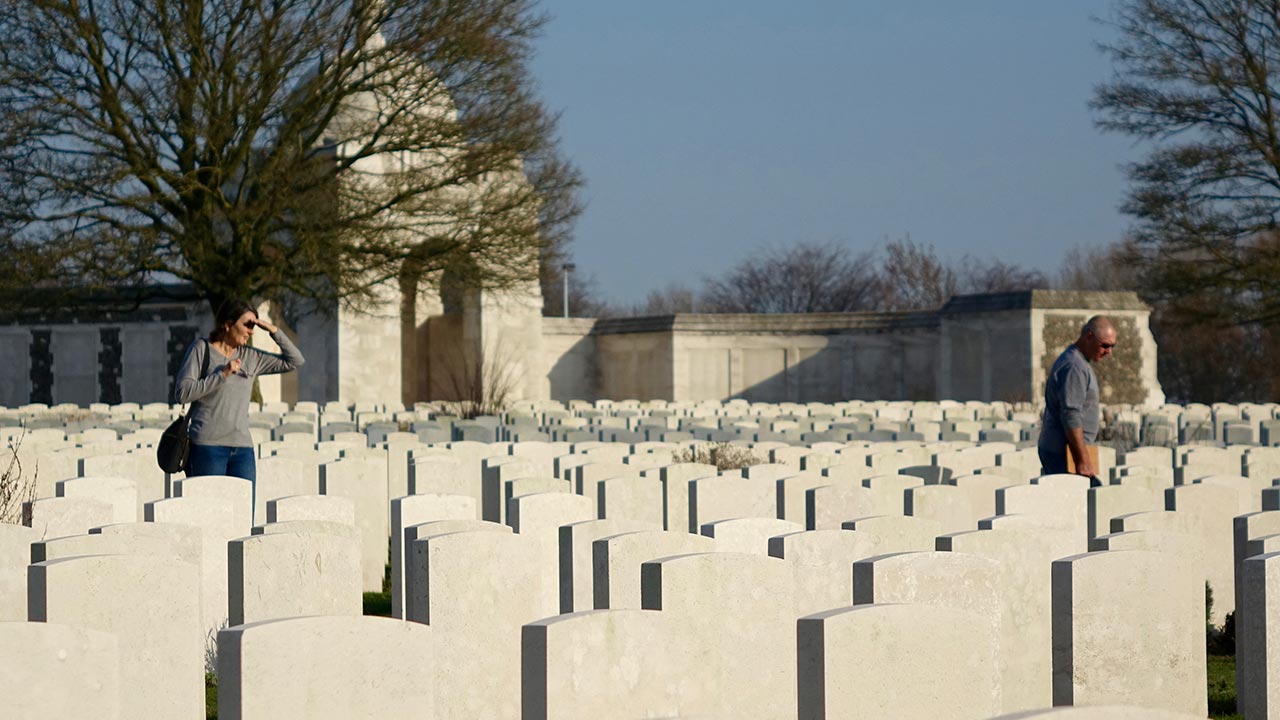
Visit to the Tyne Cot Commonwealth War Cemetery.
11
Ypres via Menin Gate
11
Ypres via Menin Gate
Enter into Ypres via Menin Gate.
12
Last Post Ceremony
12
Last Post Ceremony
Attend Last Post Ceremony at Menin Gate.
13
Arrival in Arras
13
Arrival in Arras
Arrival in Arras at around 9.30pm.
DND Battle Tours

Member Since Feb 2023
price
$5,495.00
Tour Start Date
{{ start_date_html }}
Tour End Date
{{ end_date_html }}
Last Booking Date
{{ last_booking_date_html }}
{{start_date_html}}
{{type.desc}}
{{type.display_price}} per person
Extra prices:
({{type.price_type}})
{{type.price_html}}
({{type.price_type}})
{{ type.price }}%
{{ formatMoney(type.price) }}
- {{total_price_html}}
- {{pay_now_price_html}}
Our Other Tours
price
$5,495.00


Tour